

The Problem with Generic Web Experiences
Most B2B websites still operate on outdated assumptions—treating every visitor the same, regardless of their intent, engagement level, or stage in the buying journey. This approach results in high bounce rates, low conversions, and a disconnect between what users expect and what they actually experience. Buyers today don’t just want relevant content; they expect it. When they visit your site, they leave behind a trail of behavioral signals—pages viewed, time spent, clicks, form interactions—but most companies fail to use this data effectively.
Behavioral data is the missing link in web personalization. Unlike static segmentation based on firmographics or job titles, behavioral data reveals real-time intent. A visitor who spends five minutes on your pricing page isn’t the same as one casually reading a blog post. Recognizing these differences and personalizing experiences accordingly can mean the difference between a lost opportunity and a conversion. The key is not just collecting this data but knowing how to act on it—adapting content, offers, and interactions dynamically based on real user behavior.
In this guide, we’ll break down exactly how to capture, analyze, and apply behavioral data to create personalized web experiences that feel intuitive, relevant, and frictionless. From smart segmentation and real-time content adjustments to AI-driven predictions, we’ll explore how behavioral personalization can transform your website into a high-converting, buyer-centric experience. The future of B2B marketing isn’t just about knowing your audience—it’s about responding to them in real time.
What Is Behavioral Data and Why Does It Matter?
Personalization isn’t just about knowing who your visitors are—it’s about understanding what they do. Traditional segmentation relies on demographic and firmographic data, like industry, job title, or company size. While these factors provide context, they don’t capture real-time intent. That’s where behavioral data comes in.
Behavioral data refers to visitors' digital footprints as they interact with your website. It includes metrics like page views, scroll depth, clicks, session duration, and return frequency. Did a visitor linger on your pricing page? Did they abandon a form halfway? Are they engaging with high-intent content like case studies? Each action (or inaction) signals interest, hesitation, or readiness to buy. By analyzing these behaviors, businesses can move beyond generic personalization and start delivering experiences that dynamically adapt to user intent.
Why Behavioral Data Beats Static Personalization
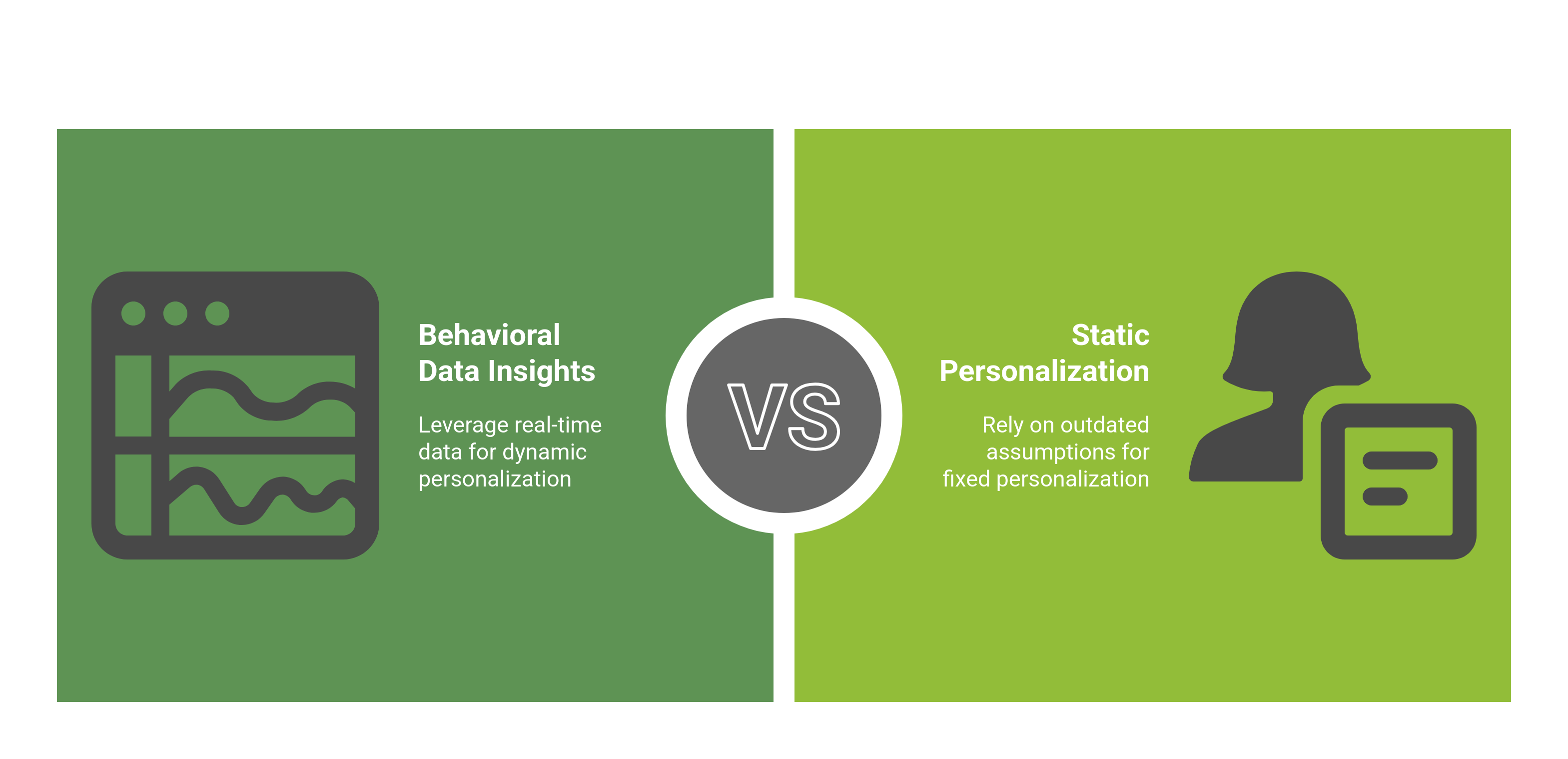
Most websites personalize based on assumptions—assuming that all visitors from a particular industry have the same needs or that a VP-level buyer is always sales-ready. But real-life behavior doesn’t work that way. Two visitors from the same company might have different engagement and intent levels. Behavioral data removes the guesswork, replacing outdated static segmentation with real-time insights.
Consider a visitor who downloads multiple whitepapers and spends time on your solutions page. Compare that to someone who clicked an ad but bounced after five seconds. Which one is more likely to convert? Behavioral data lets you differentiate between passive browsers and high-intent buyers, allowing you to serve relevant content, offers, and experiences in real time. Instead of treating every visitor the same, you can guide them through a personalized journey that matches their actual level of interest.
The Impact on B2B Web Engagement & Conversions
Companies that leverage behavioral data see a significant lift in engagement and conversions. According to a study by McKinsey, businesses that personalize based on real-time behavior can see up to a 40% increase in revenue compared to those using traditional segmentation. Another report found that behavioral-driven personalization can reduce bounce rates by ensuring visitors see content aligned with their interests.
Take the example of a B2B software company that struggled with low demo sign-ups. After analyzing behavioral data, they noticed that visitors who viewed at least two customer case studies had a much higher likelihood of converting. By dynamically surfacing relevant case studies and placing a contextualized CTA after the second one, they increased demo requests in just three months. This is the power of behavioral data—it doesn’t just help you understand your audience; it helps you act on those insights in a way that directly impacts conversions.
Data Collection: Where and How to Capture Behavioral Signals
Effective personalization starts with capturing the right behavioral signals at the right time. This section explores the key data sources—ranging from website analytics and CRM/CDP integrations to third-party intent data—along with best practices for structuring behavioral data to ensure actionability. It also covers the importance of real-time processing and privacy considerations in a cookieless world.
The Core Data Sources
Capturing behavioral data starts with identifying where these signals originate. Every interaction a visitor has with your brand—whether on your website, in emails, or through ads—leaves behind valuable clues about their intent. Here’s where to look:
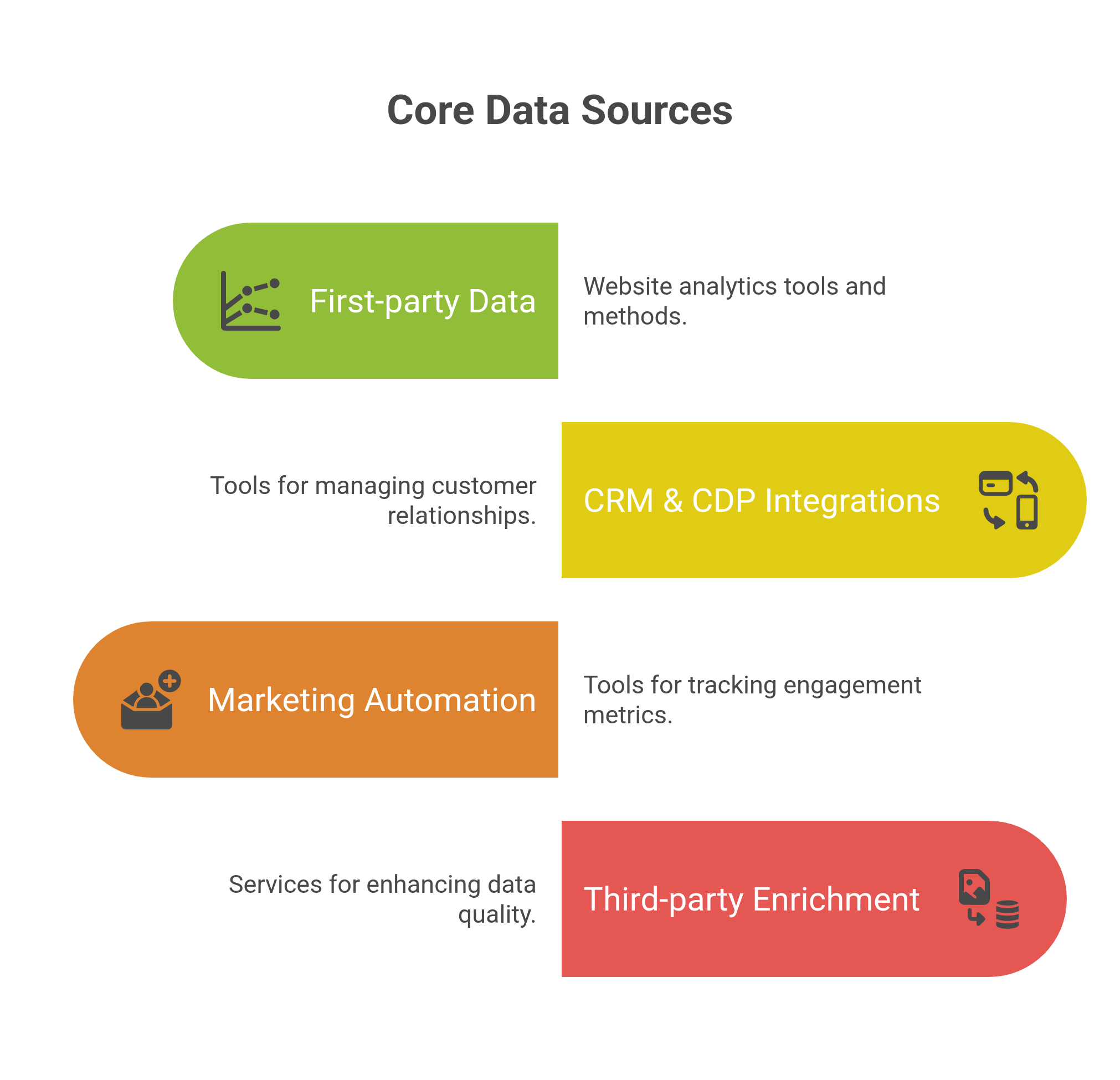
- First-party data: Your website is the richest source of behavioral insights. Tools like Google Analytics 4 (GA4), heatmaps (Hotjar, Crazy Egg), and session replays (FullStory, Microsoft Clarity) help track user activity, showing where visitors drop off, what they engage with, and how they navigate your pages.
- CRM & CDP integrations: Connecting behavioral data with your CRM (HubSpot, Salesforce) or CDP (like Fragmatic) provides a full view of user interactions across multiple touchpoints, allowing you to personalize based on past and ongoing engagement.
- Marketing automation tools: Platforms like Marketo, Pardot, and HubSpot track how users interact with emails, forms, and landing pages. Did they click a CTA but not complete a sign-up? That’s a behavioral signal worth acting on.
- Third-party enrichment: Intent data from platforms like Clearbit and 6sense can reveal if a company is actively researching solutions in your category, helping you tailor experiences before they even land on your site.
Each of these data sources contributes to a more comprehensive understanding of your audience, making personalization not just possible, but precise and impactful.
Structuring Behavioral Data for Actionability
Not all behavioral data is equally useful—how you structure it determines its effectiveness. To extract real value, behavioral signals should be captured and categorized across three levels:
- Session-level data: Tracks what happens within a single visit—pages viewed, time spent, engagement with interactive elements. Ideal for real-time personalization, like adjusting CTAs based on browsing patterns.
- User-level data: Connects multiple sessions to a known visitor, allowing for long-term behavioral profiling. This is where tracking return frequency, content consumption patterns, and historical engagement becomes crucial.
- Account-level data: For B2B, individual users often represent a larger buying committee. Aggregating behavioral data at the account level helps align sales and marketing efforts, ensuring the right messages reach the right stakeholders.
Beyond categorization, real-time data processing is key. If your personalization engine relies on outdated behavioral data, you risk serving irrelevant experiences. Implementing a Customer Data Platform like Fragmatic ensures behavioral insights are processed and actioned in real time, rather than waiting hours or days for updates.
Privacy Considerations & Compliance
As third-party cookies phase out, the way businesses collect and use behavioral data must evolve. First-party data is the future—it’s more reliable, compliant, and within your control. However, companies must still navigate privacy regulations like GDPR, CCPA, and upcoming global data laws. Here’s what to consider:
- Transparency & Consent: Clearly communicate data collection policies and obtain consent where required (especially for heatmaps and session recordings).
- Data Minimization: Collect only the behavioral data you need—overcollection can lead to compliance risks and data management challenges.
- Secure Storage & Usage: Ensure behavioral data is stored securely and used strictly for enhancing user experience, not for intrusive tracking.
Turning Raw Data into Smart Segments
Behavioral data alone isn’t enough—it needs to be structured into meaningful segments for effective personalization. This section explores proven segmentation strategies based on visitor intent, content interactions, engagement levels, and abandoned actions. It also delves into AI-driven predictive segmentation, showing how machine learning can identify high-propensity users before they convert, with real-world examples of its impact on conversion rates.
Segmentation Strategies That Actually Work
Raw behavioral data is valuable, but without structured segmentation, it’s just noise. The key is to group visitors based on meaningful behavioral patterns, allowing for targeted personalization that actually moves them down the funnel. Here are four segmentation strategies that deliver results:
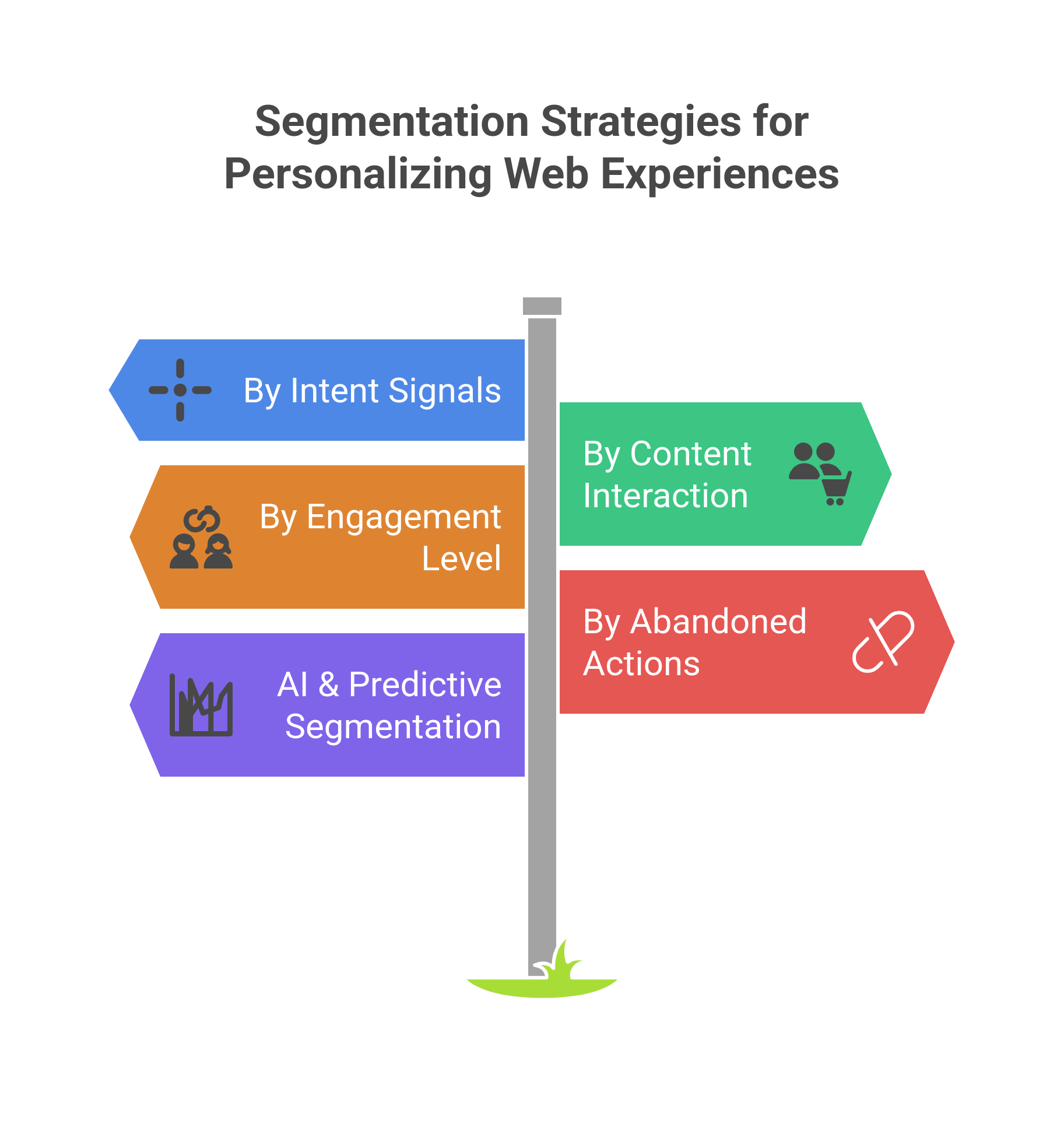
- By Intent Signals: Not all visitors are created equal. High-intent visitors—those who engage with pricing pages, demo requests, or case studies—should be prioritized with tailored CTAs or direct sales outreach. Meanwhile, low-intent visitors who browse general content may need nurturing through educational resources or retargeting campaigns.
- By Content Interaction: Someone reading a thought leadership blog post isn’t at the same stage as someone deep-diving into your product features. Segmenting by content type allows you to personalize follow-ups—blog readers could be served more educational content, while product page explorers might see testimonials or competitor comparison pages.
- By Engagement Level: First-time visitors require trust-building, while repeat visitors signal growing interest. First-timers might benefit from introductory content, while returning users can be nudged towards conversion with personalized recommendations or a time-sensitive offer.
- By Abandoned Actions: Did someone visit your pricing page but not take action? Did they start filling out a form but leave midway? These are prime retargeting opportunities. Serving contextual nudges, such as chatbot assistance or a follow-up email, can help recover lost conversions.
These segmentation strategies transform scattered behavioral signals into clear, actionable insights—allowing for personalization that is timely, relevant, and conversion-focused.
AI & Predictive Segmentation
Static segmentation is just the beginning. AI-driven predictive segmentation takes things a step further by identifying high-propensity users before they convert. Instead of reacting to past behavior, AI analyzes patterns across millions of interactions to forecast which visitors are most likely to take the next step.
For example, AI can track micro-behaviors—like a visitor returning within 24 hours, scrolling 75% of a key page, or engaging with a specific sequence of content—to determine their likelihood of requesting a demo. Based on these patterns, you can serve personalized experiences in real time, such as surfacing a chatbot offering consultation or prioritizing them for sales outreach.
Example: Let’s suppose a SaaS company noticed that visitors who viewed three or more case studies and returned within two days had a 3x higher conversion rate than average. By using AI to automatically flag these high-intent users, they adjusted their website experience—dynamically placing a direct meeting scheduler for these visitors instead of a generic CTA. The result? A significant increase in demo bookings without increasing traffic.
The Execution: Personalizing Web Experiences with Behavioral Data
Personalization isn’t just about collecting behavioral data—it’s about using it to create seamless, high-converting web experiences. This section covers how businesses can implement real-time, behavior-driven personalization, from dynamic content adjustments to triggered responses based on visitor actions. It also explores AI-powered real-time personalization strategies, ensuring every visitor gets a tailored experience that aligns with their intent and stage in the buying journey.
Website Experience Personalization
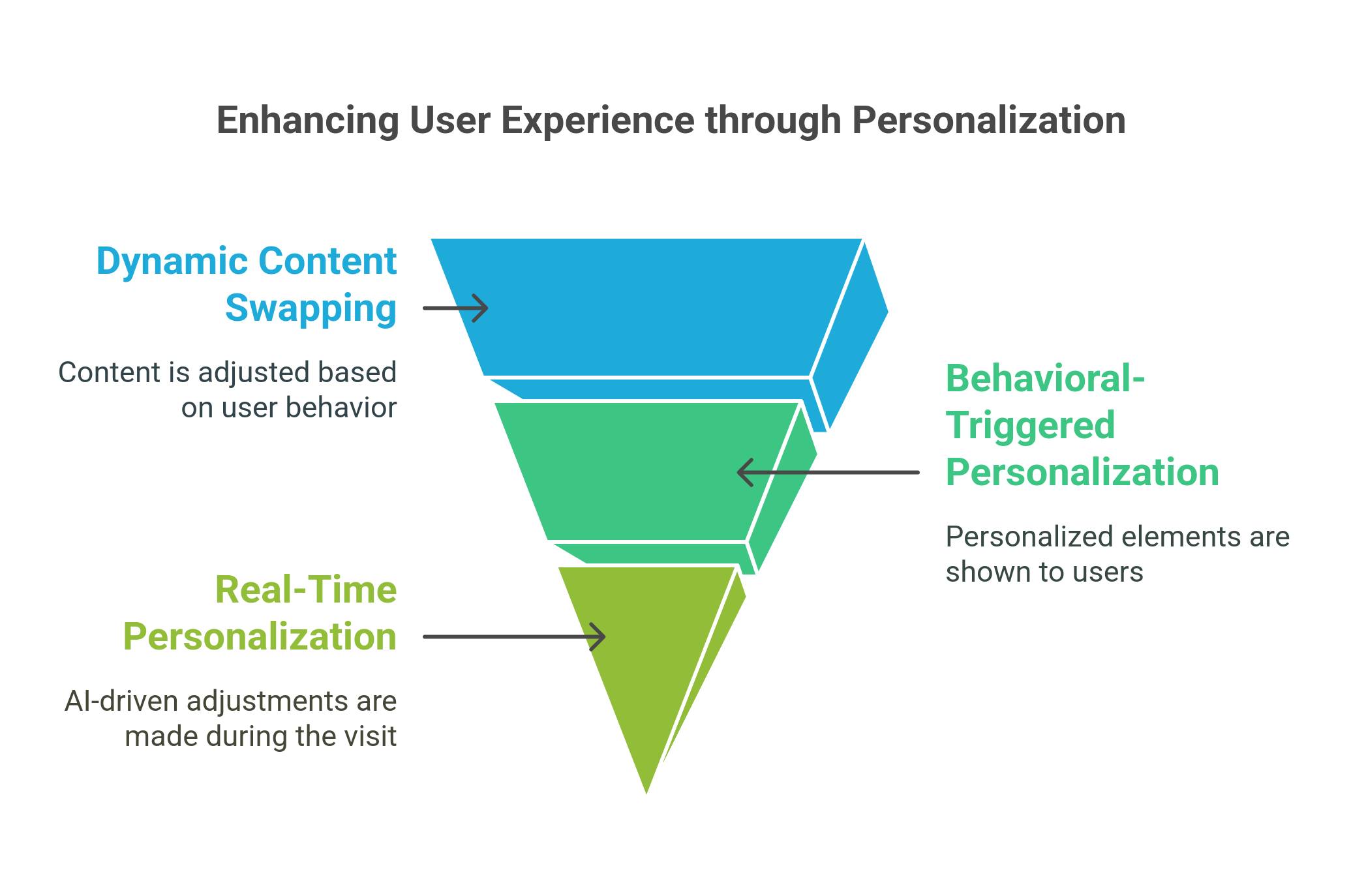
Behavioral data allows businesses to craft web experiences that feel tailor-made for each visitor. Instead of serving static content, dynamic personalization adapts in real time based on user intent, engagement, and past interactions. Here’s how:
Dynamic content swapping: Adjust page elements based on where visitors are in their journey. A first-time visitor might see an educational blog recommendation, while a returning user exploring product pages could see an industry-specific case study.
Personalized CTAs: Not everyone is ready for a demo. High-intent users (e.g., those engaging with pricing pages) might see a "Request a Demo" CTA, while early-stage visitors are guided towards softer actions like "Learn More" or "See How It Works."
Adaptive homepage messaging: If a cold visitor lands on your homepage, the messaging might focus on your core value proposition. But if a returning lead revisits, the homepage can dynamically highlight features they previously explored or show a tailored message based on their company’s industry.
Behavioral-Triggered Personalization in Action
Beyond static personalization, behavioral triggers allow businesses to respond in real time based on visitor actions (or inaction). Some effective use cases include:
For First-Time Visitors: Instead of overwhelming them with generic CTAs, display a personalized "Getting Started" guide based on their referral source or browsing behavior.
For Engaged Repeat Visitors: If a visitor has explored multiple product pages or case studies, surface relevant customer testimonials, industry-specific use cases, or a direct chat option with your sales team.
For Form Abandoners: If someone starts filling out a form but doesn’t complete it, trigger a chatbot offering assistance or an incentive (like a consultation or free resource) to nudge them back.
These micro-personalizations ensure that every visitor’s experience is aligned with their intent, reducing friction and increasing conversions.
Real-Time Personalization
The most effective personalization happens in the moment, leveraging AI to analyze session behavior and adjust experiences dynamically.
AI-driven predictive heatmaps: By analyzing where users hesitate, rage-click, or drop off, AI can detect friction points and suggest real-time optimizations—whether that’s simplifying a form, repositioning a CTA, or adjusting content placement.
Smart nudges based on session behavior: Exit-intent popups often get a bad reputation for being intrusive, but when done right, they can recover lost conversions. For example, instead of a generic discount offer, a visitor exiting from a pricing page could see a targeted nudge: "Need help choosing the right plan? Let’s chat."
Testing & Measuring the Impact of Personalization
Even the most advanced personalization strategies need validation. This section explores how to measure the effectiveness of behavioral-driven personalization by tracking key engagement and conversion metrics. It also covers A/B testing methodologies to refine personalized experiences and emphasizes the importance of continuous iteration based on real-time user behavior.
Key Metrics to Track
To understand whether personalization is driving real impact, businesses need to monitor the right performance indicators:
- Click-through rates (CTR) on personalized content: Are tailored recommendations, dynamic CTAs, and adaptive messaging increasing engagement?
- Engagement lift from real-time behavioral changes: Compare session duration, scroll depth, and return frequency before and after personalization.
Conversion impact: The ultimate goal—track how personalization affects demo requests, sign-ups, and sales. A before-and-after analysis can reveal the direct impact of behavioral data-driven experiences.
A/B Testing to Optimize Personalization Strategies
Not all personalization efforts will yield the same results. A/B testing helps fine-tune which experiences truly resonate with users.
- Testing personalized vs. generic experiences: Does a dynamic homepage message convert better than a one-size-fits-all version? Does a segmented CTA drive more clicks than a universal one?
What to tweak: Test different personalization elements—messaging, content recommendations, CTA variations—to identify what works best for different audience segments.
Iterating Based on User Behavior
Personalization is never a "set and forget" strategy. User behavior evolves, and so should your personalization efforts.
- Regularly analyze data trends and experiment with new segmentation models based on emerging behavioral patterns.
Leverage AI-driven insights to adjust real-time personalization tactics dynamically, ensuring ongoing relevance and effectiveness.
Future of Behavioral Data in Web Personalization
As technology evolves, so does the potential of behavioral data in shaping hyper-personalized web experiences. This section explores the next frontier of personalization, where AI-driven predictions, privacy-first strategies, and omnichannel personalization redefine how businesses engage their audiences.
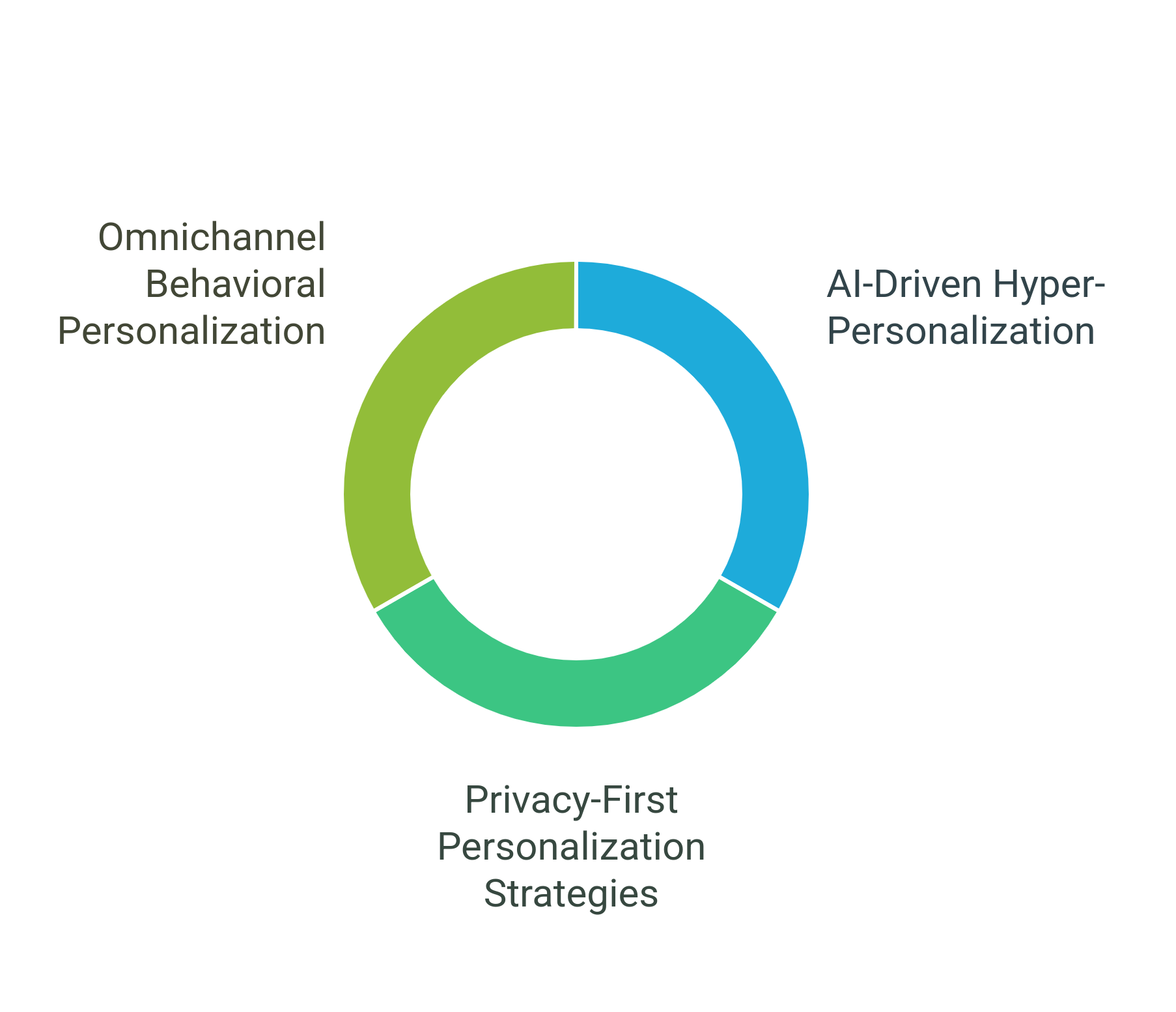
AI-Driven Hyper-Personalization
AI is pushing personalization beyond reactive adjustments—now, websites can anticipate user needs before they even take action.
- Predictive personalization: AI models analyze behavioral patterns to dynamically adjust web content, ensuring visitors see the most relevant messaging, products, or offers before they even click.
AI-powered chatbots that learn over time: Instead of generic responses, chatbots are evolving to recognize returning visitors’ preferences, past interactions, and intent signals, creating a truly personalized conversational experience.
Privacy-First Personalization Strategies
With growing concerns around data privacy and the phasing out of third-party cookies, businesses must rethink how they approach personalization while staying compliant.
- The rise of zero-party data: Instead of relying on passive tracking, B2B companies are embracing explicit user input (such as preference centers, interactive surveys, or gated content choices) to refine personalization strategies.
Cookieless personalization—what’s next?: First-party behavioral data will play a crucial role, with businesses leveraging authenticated user sessions, contextual targeting, and AI-driven insights to personalize experiences without invasive tracking.
Omnichannel Behavioral Personalization
Web personalization doesn’t exist in isolation. The most effective strategies integrate behavioral insights across multiple touchpoints to create a cohesive experience across channels.
- Extending website learnings to email and ads: A visitor engaging with a pricing page could trigger tailored follow-up emails, personalized LinkedIn ads, or account-based marketing campaigns.
- Aligning web personalization with sales outreach: Sales teams can leverage website behavioral data to prioritize high-intent leads, personalize outreach messaging, and send relevant resources that align with each prospect’s journey.
Conclusion
Personalization is no longer a luxury—it’s an expectation. But true personalization isn’t about static user profiles or generic segmentation. The key lies in behavioral data: understanding how visitors interact with your site in real-time and adapting experiences accordingly.
By capturing and structuring behavioral signals, segmenting users intelligently, and delivering highly relevant, intent-driven experiences, businesses can drive engagement, improve conversions, and build lasting customer relationships. AI and predictive analytics are pushing personalization even further, enabling real-time adaptation that feels seamless rather than intrusive.
As the digital landscape evolves, so must personalization strategies. A privacy-first approach, the rise of zero-party data, and omnichannel execution will define the next generation of behavioral-driven web experiences. Companies that embrace these changes will stand out—offering not just content, but context-aware, personalized experiences that truly resonate.


