

Introduction
In the modern overcrowded digital environment, it is not possible to be a generic marketer in order to stand out. It requires accuracy, relevancy and scale. Though segmentation is frequently where the marketer begins, dividing groups of people based on particular characteristics, the discussion is increasingly redirecting towards personalization, in which the content is customized to the preferences and behavior of an individual. Personalization is also used by some people to refer to a higher level of personalization. We will unravel the segmentation vs personalization in this blog in detail, their advantages, disadvantages, and ROI, and elucidate the role of personalization in the larger context.
Understanding Segmentation Vs Personalization
Segmentation and personalization are two interconnected concepts when it comes to addressing consumers. Now, let’s discuss how these strategies perform and the advantages and disadvantages of each.
Segmentation: The Group Dynamic
Segmentation is very much like coming up with guest lists for separate kinds of parties. You divide your audience into different segments based on similarities; demographic (age, gender), psychographic (interests and values), and behavioral (purchase history). Mention this assists in creating messages that shall address the joint likes of the two groups.
Benefits of Segmentation
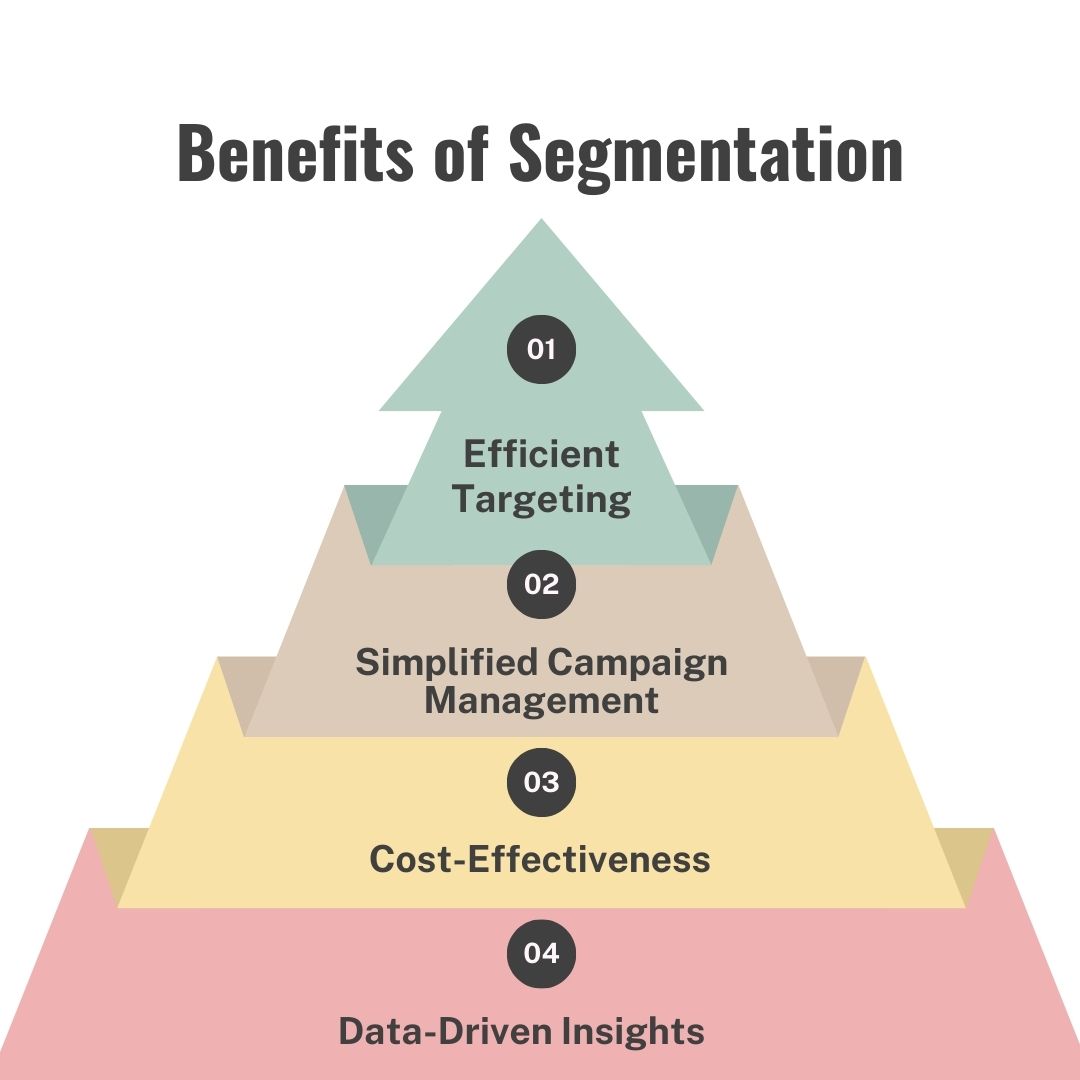
- Efficiency in Targeting: Market segmentation allows you to address topics proactively and, therefore, to address topics seminal for very large groups of your audience. This is like a theme celebration where all the interested folks in the world are invited. It is a smart way to make your message land up in groups of interest.
- Simplified Campaign Management: Audience segmentation makes it easier to track and optimize campaigns because each segment has clear characteristics and behaviors.
- Cost-Effectiveness: Segmentation is used in building bigger categories which is much cheaper than developing other concrete categories. Think of it as sending a single, generic invite to your party instead of creating individual invites for each guest.
- Data-Driven Insights: It can help us to better reach our audience in the future for other planned marketing campaigns, thus enhancing the general campaign’s success rate.
Drawbacks of Segmentation
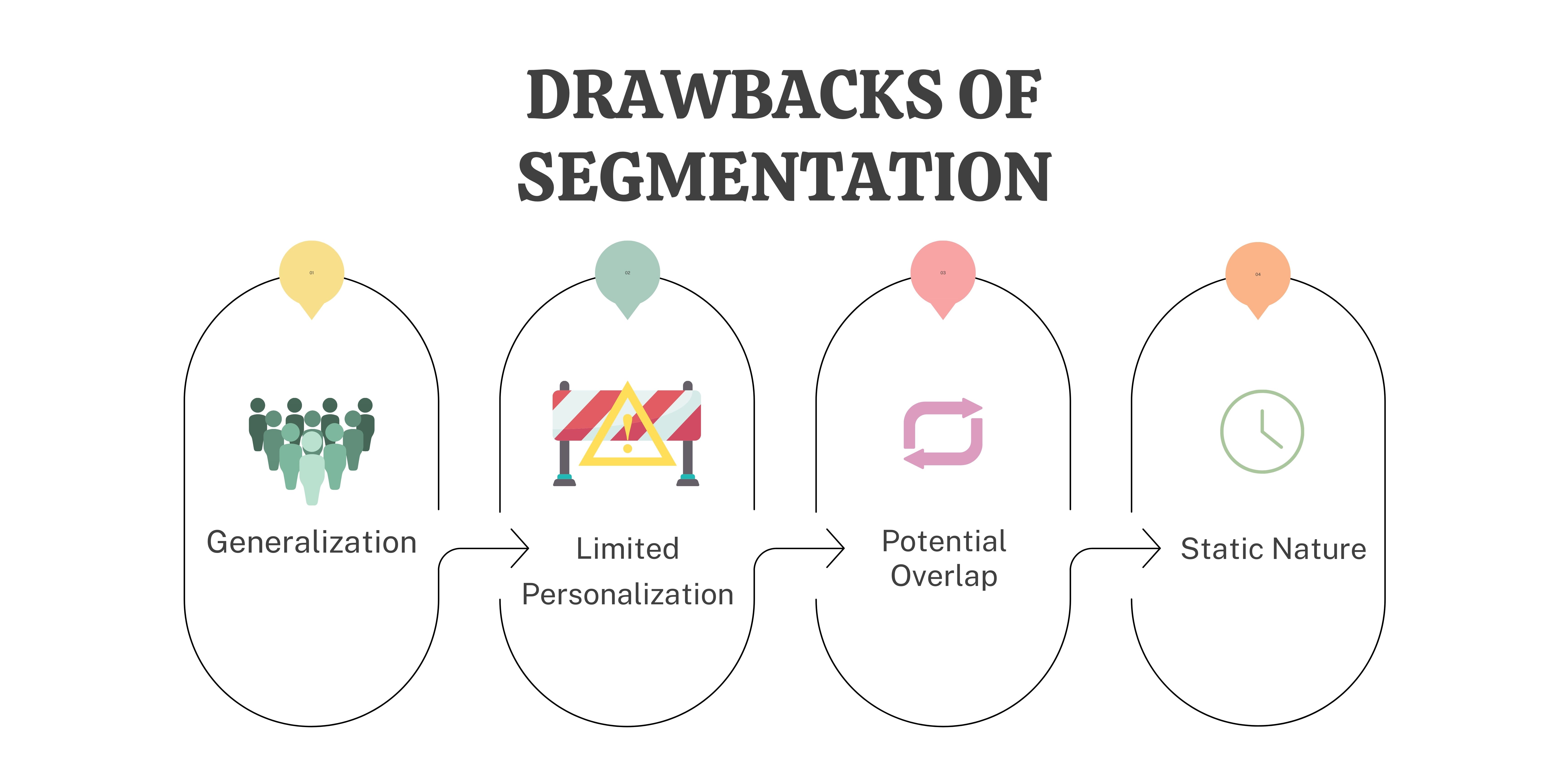
- Generalization: When you break a psychographic profile of a segment down into segments, marketers aim at ‘everybody’ in that then-segmented group. As somebody else pointed out, it’s too vague; like saying you have a general theme for your party and a lot of people nodding and going “yeah!” to in a way that does not “hit everybody” exactly the same.
- Reduced personalization: Although segmentation is one step closer to personal communication, segmentation itself does not allow for the level of personalization as personalization. They may be missing out on the opportunity to dig deep and really know a person.
- Make Multiple Segments Overlap: Segments may overlap each other which leads to redundancy or confusion messages. If, for example, you are separated on a single condition, and thus they are too similar, even those people might receive mixed messages.
- Static Nature: The segmentation categorization at the bases does not change and easily becomes outdated with customer preference. Eventually, what this could mean is that the campaigns eventually become less effective as they would not really be in tune with behaviors
Personalization: The Personal Touch
What It Is: Personalization is the practice of delivering personalized communication to each person based on their individual preferences. It is when you place one single customer in the center of your message. Effective targeting strategy This incorporates customer-specific data like past interactions and browsing history to serve highly tailored experiences.
Benefits of Personalization:
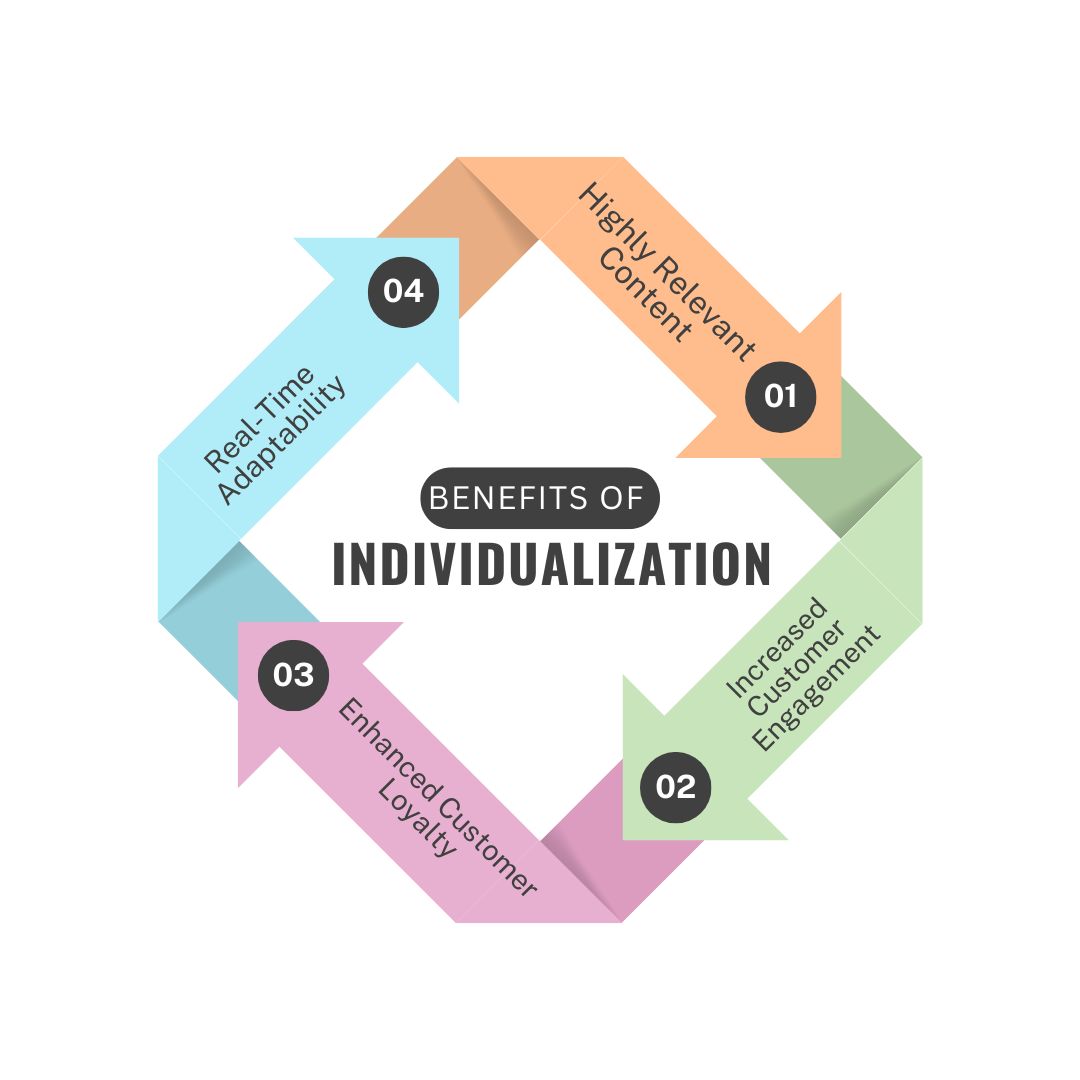
Highly Relevant Content: Every message is crafted around the preferences and behavior of each individual. It is more like receiving an invitation that lists all your favorite forms of amusement and means to splurge.
Increased Customer Engagement: Highly personalized experiences that are just for the individual tend to grab attention and call to action. Like personalized party invitations often lead to increased attendance, personalization frequently ends in better engagement and conversion rates as well.
Enhanced Customer Loyalty: When customers know you understand their needs and appreciate the business, they are far more likely to stick around. Personalization simply enables relatability addressing each customer as an individual, offering what fits his or her uniquely.
Real-Time Adaptability: Personalization affords real-time data-driven adjustment. For example, if a customer switches from browsing site-wide deals to the upcoming sales section of your website, you can change messaging on the fly in much like way that one would adjust party plans based on guest preference.
Drawbacks of Personalization
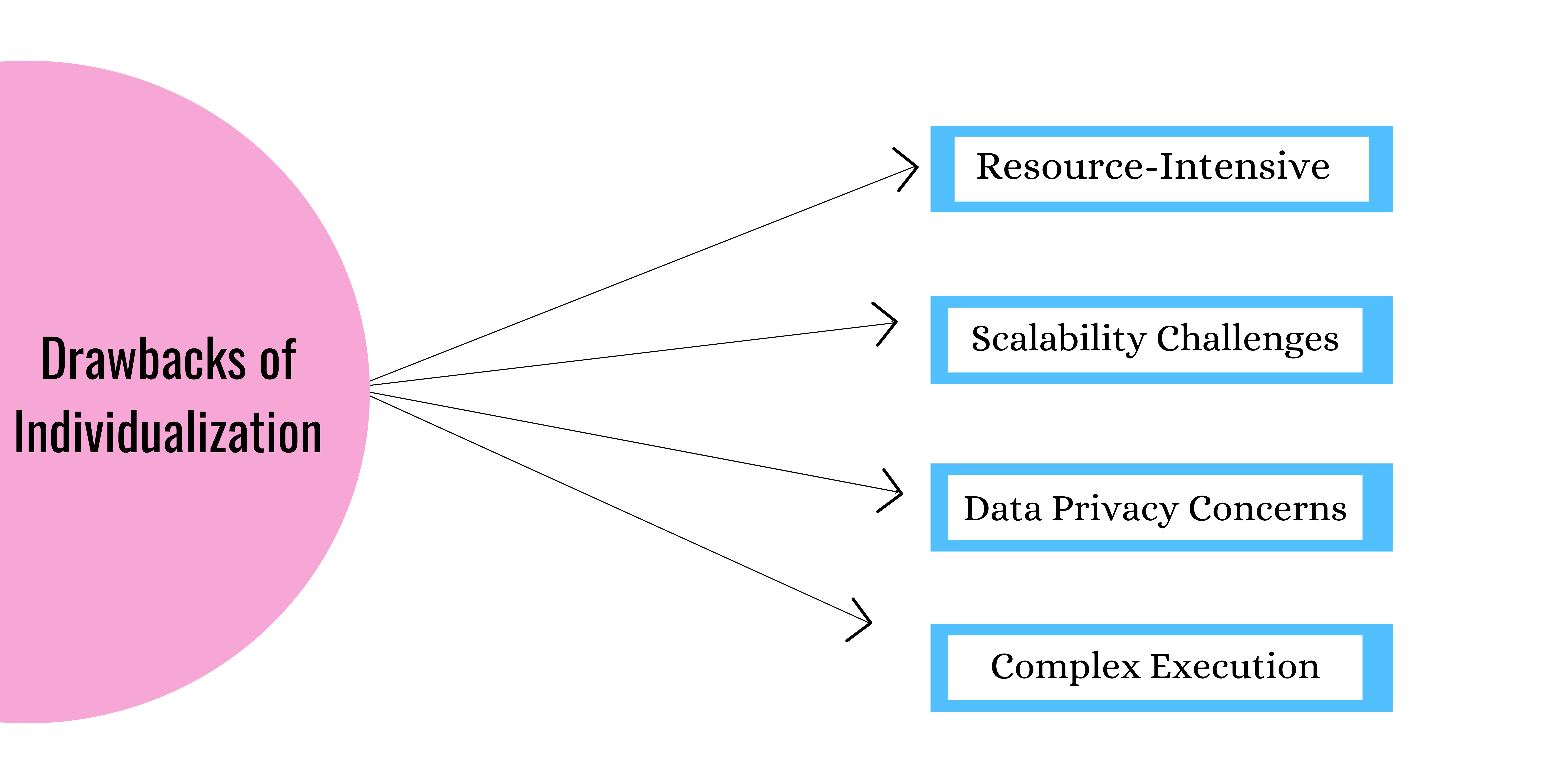
Resource-Intensive: Implementing personalization requires significant investment in data analytics and technology. It’s like organizing a custom-themed party for each guest, which can be costly and complex to manage.
Scalability Challenges: Scaling personalization efforts can be difficult, especially for large audiences. Managing personalized interactions for thousands of individuals can become overwhelming and resource-draining.
Data Privacy Concerns: Furthermore, collecting and using comprehensive personal data for personalization may compromise privacy. This poses a challenge in terms of being compliant with data protection regulations and maintaining customer trust.
Complex Execution: Crafting highly personalized experiences requires sophisticated tools and expertise. The complexity of implementing individualized marketing strategies can lead to execution challenges and potential inconsistencies
Segmentation vs. Personalization: Which Approach Better Results?

Based on Targeting Effectiveness
Segmentation’s Impact on Targeting
Broader Reach: Targeting groups with similar features (demographics, interests).
Increased Relevance: Higher propensity for targeting effectively than generic messaging.
General Focus: It captures trends among the groups but does not have a sharp focus on individuals.
Efficiency: Enables targeted marketing towards segmented audiences.
Personalization's Impact on Targeting
Precision Targeting: This approach is focused on each behavior and preference.
High Relevance: Different messages are relevant to each individual, based on their interests.
Enhanced Accuracy: Provides much better targeting than simply dividing.
Personalized Approach: Putting messages very close to individual needs by using detailed data.
Based on Customer Engagement and Satisfaction
How Segmentation Influences Engagement
Segment-Based Relevance: Increases engagement by targeting groups with similar traits.
Improved Interaction: More engaging than non-targeted marketing efforts.
Potential Limitations: May not fully address individual nuances within segments.
Efficient Strategy: Allows for targeted campaigns with relatively less complexity.
How Personalization Influences Satisfaction
Deep Personalization: Empowers differentiated experiences based on granular and detailed preferences at a per-individual level.
Enhanced Satisfaction: Makes one feel important and useful.
Higher Engagement: It increases perceptible involvement many a time because of content customization.
Stronger Loyalty: Fosters deeper customer relationships and loyalty through customized experiences.
Return on Investment (ROI)
Segmentation-Based Campaigns
Cost Efficiency: Segmentation is often less expensive than one-off custom experiences because it focuses on bigger groups with fewer requirements that are not going to be personalized.
Scale of Reach: Campaigns focused on segments can reach the masses, resulting in a higher number of impressions and engagement when viewed at scale.
Moderate Returns: Segmentation can increase ROI compared to one-size-fits-all strategies, but due to lack of accuracy in targeting may not yield the same return as personalization.
Predictable Performance: ROI is easier to predict as segmented campaigns typically perform in line with predefined based on segment behaviors.
Personalization-Based Campaigns
Higher Initial Investment: Personalization demands a better investment in data analytics and technology which makes it costlier to install from the get-go.
Greater Precision: Personalization can lead to more conversions, e.g., selling participants with tailored messages encourages targeted messaging causing higher returns and possibly efficient marketing spend.
Long-Term Value: Personalization-driven campaigns typically lead to increased satisfaction and loyalty from the customer, which can improve long-term ROI as more repeat business is guaranteed, while acquisition cost decreases.
Variable Returns: The personalization is complex and hence the ROI can be significantly more variable than that from segmentation, but when done well it often tends to yield far better results as compared to a pure segment-based approach.
Factors Influencing the Choice Between Segmentation and Personalization
Many factors influence the choice between segmentation and Personalization. Let’s discuss them all in detail:
Business Goals and Objectives
Choosing between segmentation and Personalization largely depends on your business goals and objectives. Segmentation may be more sensible if mainstream broad market efficiency is one of your primary goals. This feature enables you to appeal to the sentiments of large groups, making it fantastic for campaigns with goals focused on audience maximization and budget spending control. Conversely, if your goals revolve more around building customer relationships and increasing engagement/loyalty — Personalization may be the way to go. It permits you to create super-targeted content that speaks directly to each individual, essential for maintaining high customer satisfaction and growing retention.
Nature of the Target Audience
It all depends on the features of your target audience, mostly. For instance, if you have a wide audience range with different interests and behaviors then Personalization may be more appropriate as everyone is looking for something slightly different By customizing your messaging so that you can cater to the different demands, it will make sure none of them are left unattended and ultimately enhance the efficiency of your campaigns. On the other hand, if your targeting audience is more or less homogenous and has several common characteristics then segmentation serves as a pragmatic way to go. It will help you to deal with the common interests of your audience more effectively.
Available Resources (Budget, Technology, Data, etc.)
Your available resources, including budget, technology, and data capabilities, are critical in deciding between segmentation and personalization.
Budget: If there are budget constraints, segmentation may be more cost-effective as the advanced tools required for personalization typically come with a higher price tag. While a more focused personalization comes with higher costs, segmentation facilitates targeting effectively.
Technology: Personalization demands sophisticated technology to collect and analyze detailed customer data. If you have access to advanced tools and systems that can handle complex data, personalization can be a powerful approach. Without such technology, implementing personalization effectively might be challenging.
Data: Personalization lives and dies on data, ideally a 360-degree customer view providing insights to make messages feel personal. Personalization requires rich data access: — If your organization has robust information on how customers act and what they want, personalization will work well. However, in cases where segmentation is more manageable due to limited or less granular data still allows for targeted marketing.
Which Approach is Better? There may be situations when you want to choose one over the other, it is entirely up to your goal.
Segmentation: Ideal for wide reach and efficiency. If your audience has similar characteristics, segmentation allows you to reach large groups at a time with the right message which saves precious resources and time.
Personalization: Best For Deeper Customer Relationships At its best, personalization supported by a robust data foundation can foster personalized experiences that create engagement and loyalty.
Hybrid: Ultimately, a blend of both — segmentation is ideal for a bigger net impressive, and individual touches are important for that nuanced personal feel.
The right approach depends on your audience, goals, and resources. Tailor your strategy to achieve the best results, whether through segmentation, personalization, or a mix of both.
Case Studies and Examples
The following real-life examples illustrate how leading companies leverage segmentation and personalization to enhance user experience, and drive growth. Let’s dive into it.
Coca-Cola’s “Share a Coke” Campaign: Segmentation

Coca-Cola’s “Share a Coke” campaign is a standout example of successful segmentation. In this campaign, Coca-Cola replaced its iconic logo on bottles with popular names and terms of endearment. The segmentation here was based on demographic and geographic factors, targeting specific regions and age groups with names and phrases that resonated locally. This approach tapped into the emotional connection people have with their names and personal identity, creating a buzz and boosting sales significantly. By segmenting the market into different regions and demographics, Coca-Cola effectively increased engagement and brand interaction.
Spotify’s Personalized Playlist: Personalization
Spotify’s use of personalization is a prime example of how tailoring content to individual preferences can drive user engagement. "Spotify Wrapped," provides a personalized year-in-review experience, summarizing each user's listening habits over the past year. At the end of each year, Spotify compiles data on the songs, artists, and genres that users have engaged with the most, creating a unique playlist that reflects their musical journey. The playlists often evoke nostalgia, reminding users of the moments and memories associated with their favorite tracks.

Furthermore, the shareability of "Spotify Wrapped" plays a crucial role in its success. Users are encouraged to share their personalized results on social media platforms, creating a viral marketing effect. Friends and followers can see each other's musical tastes, sparking conversations and encouraging new users to join Spotify to experience their own Wrapped. This word-of-mouth promotion, combined with the visual appeal of the graphics and summaries provided, makes "Spotify Wrapped" a powerful tool for user engagement and retention.
How to Measure the ROI of Your Segmentation and Personalization Efforts
Several key metrics to consider and methods that can be used to determine if your segmentation efforts or even personalization strategies are working include:
- Engagement Insights: Measure open rates, click-throughs, and activity levels to understand your campaigns' performance in capturing attention and driving a desired action. Higher engagement means something is working with your targeting or personalization.
- Conversion Rates— The percentage of recipients who take the desired Action, such as purchasing or signing up for service. You can also compare the conversion rates of segmented campaigns against individualized campaigns to see which approach has provided better results.
- Collect, Analyze & Act on Customer Feedback about the personalization/segmentation experience and how satisfied customers are Consider surveys, reviews, and direct feedback to understand how your strategy is servicing their needs.
- ROI (Return on Investment): Assess how much of a financial return your campaigns have generated compared to what was spent. This helps you track the ROI on your segmentation or personalization efforts to see how much bottom-line impact they are having.
Conclusion
Choosing between segmentation and personalization isn’t a one-size-fits-all decision. Segmentation works well when efficiency, reach, and cost-effectiveness are priorities, especially for broad audiences with shared characteristics. Personalization, on the other hand, is best for businesses looking to build stronger customer relationships, increase engagement, and improve long-term ROI. In many cases, the most effective approach is a hybrid one: use segmentation to define broad audience categories and layer personalization on top to deliver content that resonates at the individual level. By aligning your strategy with your goals, audience needs, and available resources, you can maximize impact and stay competitive in 2025’s customer-centric landscape.


